A one-stop-shop for gluten-free students coming to Berry; locations, survival tips, testimonials, and everything you need to eat safely.
These are the spots that students with Celiac Disease and gluten allergies trust the most.
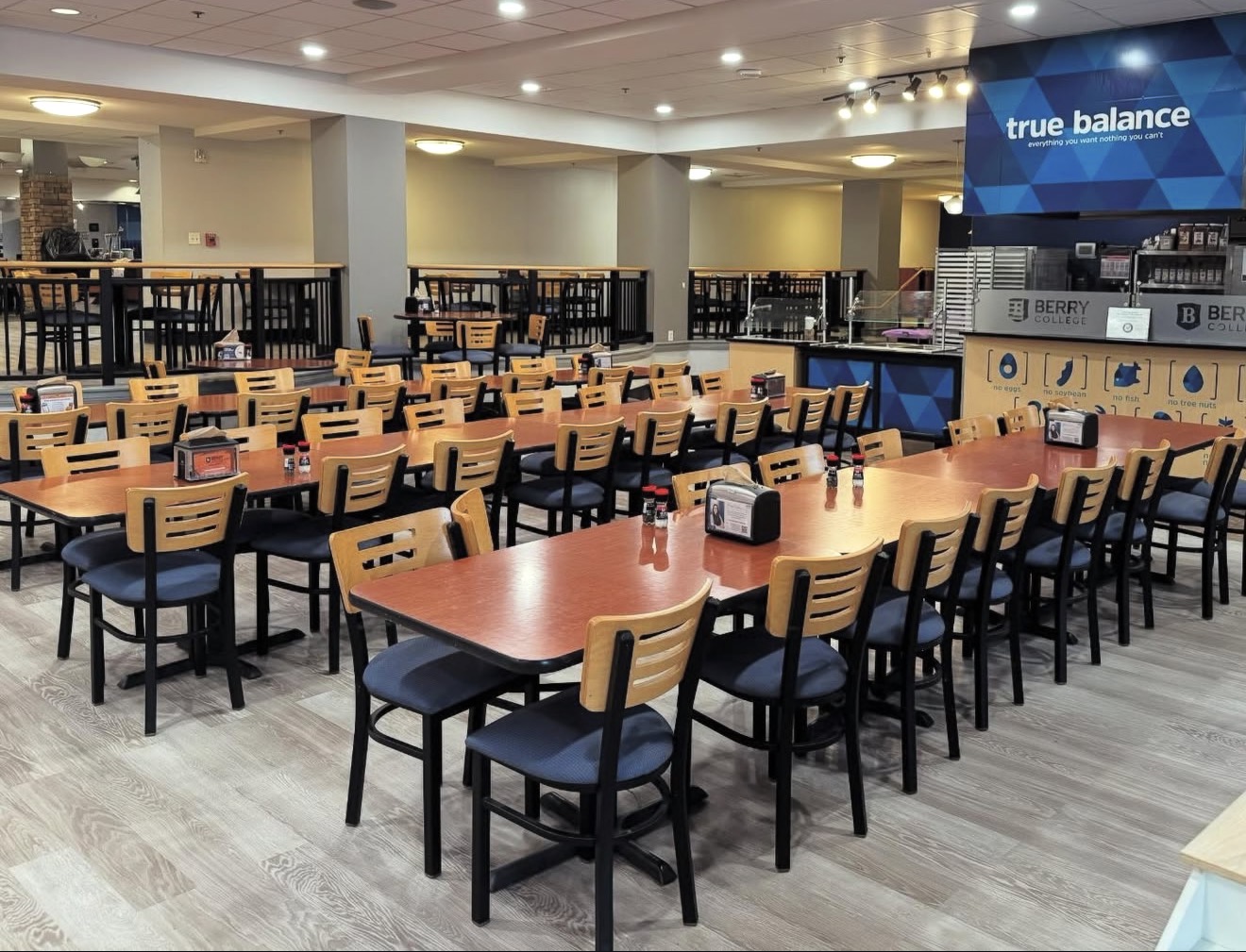
The dedicated allergen-friendly station in the dining hall. Offers clearly labeled gluten-free options daily, though cross-contamination awareness varies by shift and options can be repetitive. Look for the teal True Balance signage near the back of the dining hall.
Most trustworthy of the chain restaurants on campus in terms of GF options and cross-contamination vigilance. Their grilled nuggets and waffle fries (cooked in dedicated fryers) are popular picks. Always ask staff about preparation methods and shared equipment before eating.
The campus convenience store. A lifesaver for packaged gluten-free snacks, grab-and-go meals, and emergency backups when dining hall options are limited. Stock up early in the week, because popular GF items sell out fast.
There is a designated gluten-free toaster in the dining hall, but students report mixed experiences with its safety. It's located near the bread station. Look for the label. Use caution: the toaster is only as safe as the last person who used it, and shared crumb trays are a common cross-contamination risk. If you're highly sensitive, consider bringing your own toaster bags or skipping it entirely.
These locations have gluten-heavy menus and higher cross-contamination risks. Not necessarily off-limits, but proceed with extra vigilance.
Flour is airborne and surfaces are shared. There is basically no gluten-free option offered here. This is the highest-risk zone in the dining hall for cross-contamination.
Shared flat-top grills and prep surfaces make these risky. Buns, bread crumbs, and flour-based sauces are constantly in contact with cooking surfaces. Ask if they can use a clean section of the grill.
Almost everything here contains gluten, and the proximity to open flour and baked goods means even nearby items can be contaminated. Approach with extreme caution or avoid entirely.
Familiarize yourself with where each station is located so you can navigate confidently on your first visit. A dining hall map with safe zones highlighted is coming soon.
These tips come straight from Berry students who've experienced gluten-free campus dining firsthand without much help, so you don't have to.
Labels can be wrong, outdated, or vague. Ask the staff directly: "Was this prepared on a shared surface?" and "Are the utensils dedicated to this station?" Don't risk cross-contamination because you're afraid to ask. They're there to help!
Stock up on gluten-free crackers, protein bars, and drinks from POD Market. Also check out the Ladd Center food pantry on campus for free staples. Berry also offers a grocery shuttle to local stores. Take advantage of it to stock up on GF essentials you can't find on campus.
The app isn't perfect and isn't always 100% up to date, but checking the daily menu before heading to the dining hall saves time and frustration. Look for items with the "GF" tag, but always verify in person; the tag doesn't guarantee cross-contamination safety.
Don't wait until you've already had a bad experience. In your first week, send an email to dining services introducing yourself and your needs. We've built an email template below you can copy and send right now. Also reach out to Berry's Office of Accommodations for additional support and meal plan flexibility.
Connect with other students who have dietary restrictions. There are lots of students at Berry dealing with something similar to you. Join clubs, ask around, check YikYak, or reach out to us at glutenFreeCampus; we can help you find your people.
Accidental exposure happens, even when you're careful. Have a plan ready before it happens. Know where the nearest bathroom is, keep any medications with you, and read our Been Glutened? emergency guide further down this page.
"I wish that there were more reliable, consistent gluten-free options at the dining hall."— Lily Chapman, Junior
If they could go back and tell their freshman selves one thing about finding gluten-free options on campus, here's what they'd say.
"Make an effort to still have time to hangout with friends. School/life balance is still super important!"
"Create a consistent meal plan early. Whether that's grocery shopping and cooking meals in the dorm, buying strategically from Viking Court, or stocking up on protein-heavy snacks."
"Apply for accomodations early, and be prepared to have to advocate for yourself."
Don't wait until something goes wrong. Reaching out to dining services proactively is one of the most impactful things you can do for your safety on campus.
Dear Dining Services Team,
My name is [Your Name] and I'm a [year] student with Celiac Disease. I'm writing to discuss my dietary needs and learn about the accommodations available in campus dining facilities.
Specifically, I'd like to understand:
• How gluten-free options are prepared and labeled
• What measures are in place to prevent cross-contamination
• Whether there is a dedicated prep area for allergen-free meals
• If there's a point person I can connect with regularly about my safety concerns
• What the process is for reporting an incident if I get sick
I'd appreciate the opportunity to meet in person or discuss this over email. Thank you for your time.
Best,
[Your Name]
Accidental gluten exposure happens even when you're careful. The most important thing is to stay calm and take care of yourself. Here are the immediate steps to take:
If you experience difficulty breathing, severe swelling, or anaphylaxis symptoms, call 911 or Berry College Public Safety at (706) 236-2262 immediately. For non-emergency medical concerns, visit the Berry College Health Center.
After you've taken care of yourself, report the incident to dining services so they can address the issue and help prevent it from happening to someone else. Use our email template above or contact them directly.
A more detailed medical guide is coming soon as its own dedicated page.